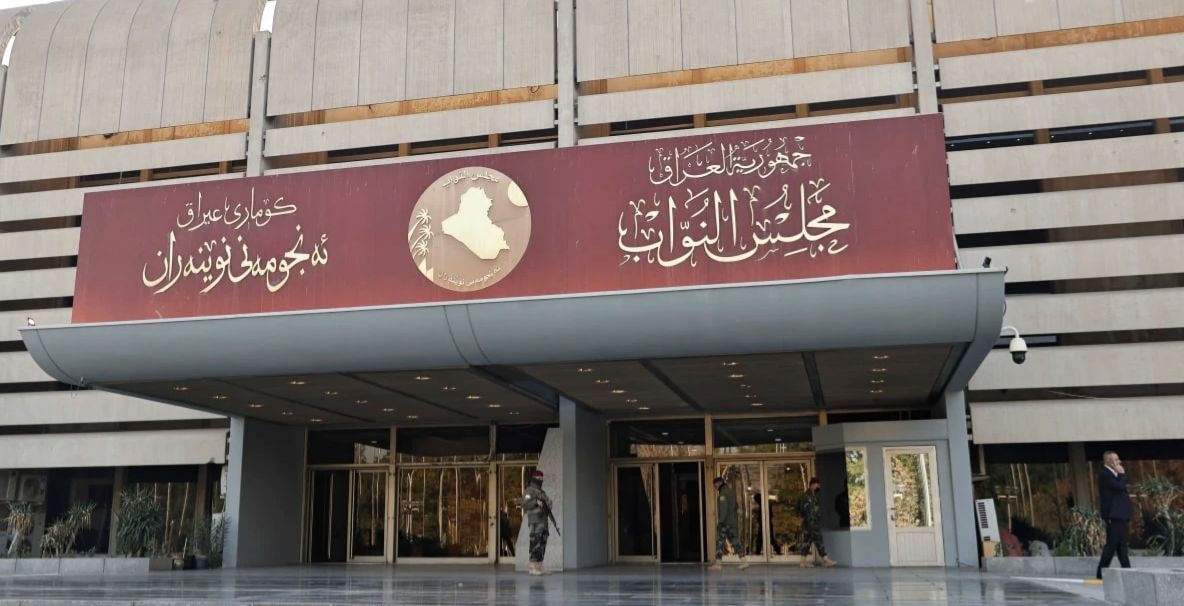
The Iraqi Council of Representatives published on Thursday evening the agenda for Session No. 17, scheduled for next Saturday, April/September 11.
The agenda includes a single item: “Election of the President of the Republic,” noting that the session will begin at 11:00 a.m.
The session comes as the Coordination Framework — the bloc representing Iraq’s ruling Shiite political forces — seeks to settle the presidency, whether or not the Kurdish parties reach an agreement among themselves, since the post is allocated to the Kurdish component.
Meanwhile, naming a candidate for the position of prime minister will be postponed until further notice due to the lack of agreement, according to earlier statements by Jawad Rahim al‑Saadi, an MP from the National State Forces Alliance.
Iraqi political parties are attempting to ease internal pressure, especially after several months have passed since the parliamentary elections held in late 2025 and their failure to form a new government.
Regional developments have added further complexity to Iraq’s political scene, with unprecedented levels of security tension across the Middle East.
After the Iraqi Parliament elected its new speaker—a post reserved for the Sunni component—it is now the Kurds’ turn to present their nominee for the presidency, which is traditionally allocated to them.
Historically, the position has gone to the Patriotic Union of Kurdistan (PUK), but in the last two election cycles the Kurdistan Democratic Party (KDP) objected and demanded the post for its own candidate, especially after winning the highest number of votes in the Kurdistan Region in both cycles.
At the end of 2025, Kurdish leader Masoud Barzani called for changing the mechanism for selecting Iraq’s president — a position reserved for the Kurds — proposing that the nominee be chosen by all Kurdish parties and blocs, rather than being limited to the two main parties (the KDP and the PUK).
The issue of selecting a Kurdish nominee for the Iraqi presidency remains unresolved due to political disagreements and the lack of consensus between the two major Kurdish parties.
Following the fall of Saddam Hussein’s regime in spring 2003 at the hands of U.S. forces and their allies, Iraq’s major political forces—Shiites, Kurds, and Sunnis—adopted a power‑sharing system for the three top state positions: Prime Minister, President, and Speaker of Parliament.
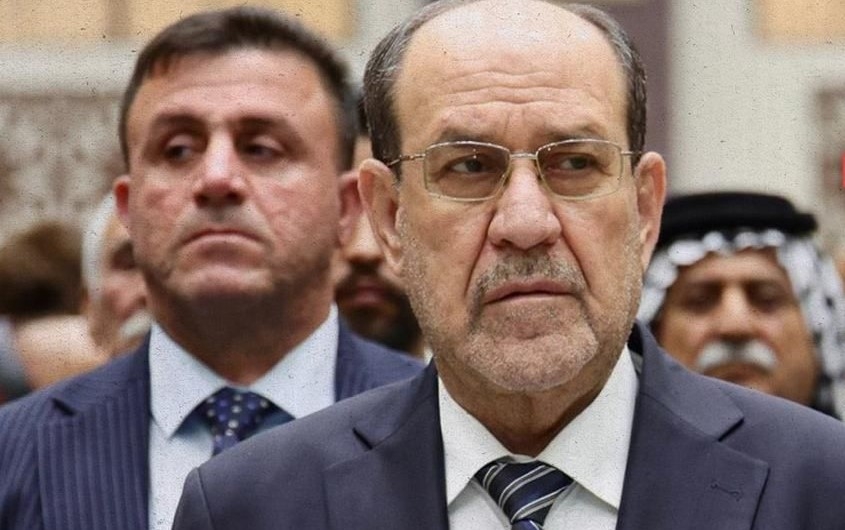
The Coordination Framework officially nominated Nouri al‑Maliki on January 24, opening the door to negotiations to form a new government. However, the process stalled due to ongoing disputes over electing the President of the Republic—a constitutional requirement that must be completed before the largest bloc can nominate a Prime Minister.
Any incoming Iraqi prime minister will face challenges balancing Iranian influence with U.S. pressure, in addition to dealing with armed factions linked to Tehran.
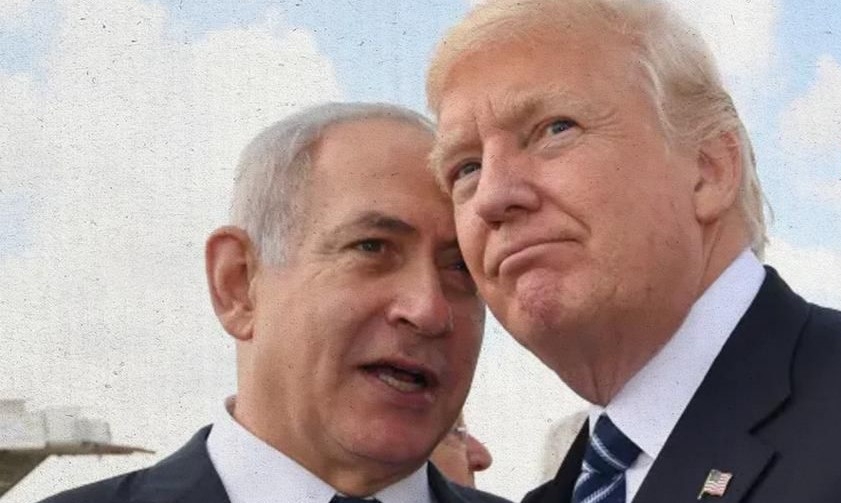
Pressure on al‑Maliki’s candidacy increased after U.S. President Donald Trump announced on January 27 that Washington would not continue supporting Iraq if al‑Maliki returned as prime minister.
Al‑Maliki later said he would welcome replacing his candidacy if such a decision came from the coalition that nominated him.