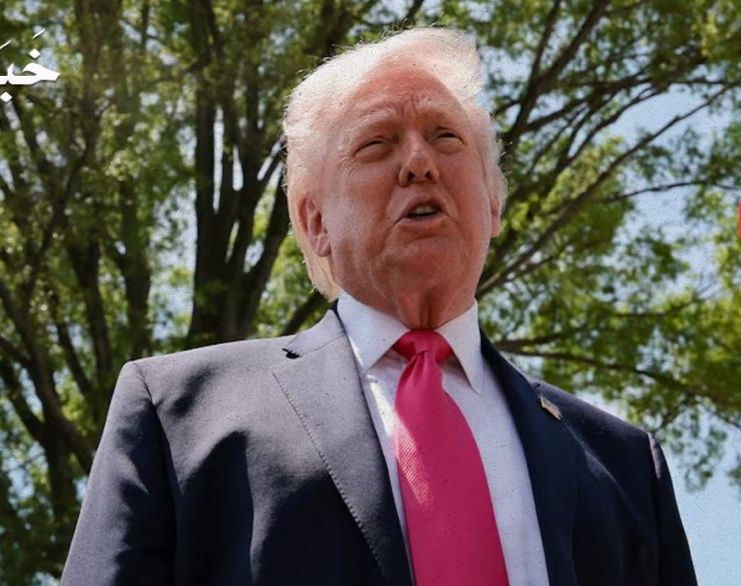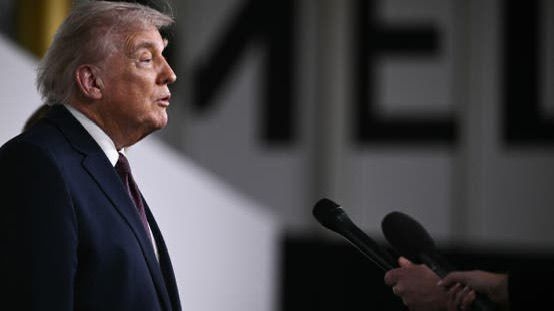
A single question dominates decision‑making circles in Washington ahead of the State of the Union address: Will President Donald Trump announce military strikes against Iran, or will he simply escalate his rhetoric while keeping all options open?
More than any other foreign policy or national security issue, this possibility is drawing intense attention, especially as two parallel tracks unfold: the resumption of nuclear talks between Washington and Tehran in Geneva and Trump’s continued threats of military action if Iran does not agree to a new deal, according to the U.S. outlet Politico.
The president is expected to address a wide range of international issues in his speech—from Gaza to U.S. policies toward Europe, Cuba, and Venezuela—seeking to balance rising domestic concerns over the cost of living with showcasing what he views as achievements in foreign policy and national security. Yet Iran remains the most sensitive file and the one most likely to produce a political surprise.
Tension rose further when Acting Secretary of State and National Security Advisor Marco Rubio delivered a virtual briefing to the Group of Eight in Congress focusing on Iran, just hours before the speech. The move was notable, especially since congressional leaders had previously been informed of U.S. military operations in Iran and Venezuela only after they occurred, due to operational security concerns.
Jonathan Schanzer, executive director of the Foundation for Defense of Democracies, noted that the picture remains incomplete, saying all scenarios are possible: announcing a deal, setting a new deadline, launching a military strike, or a combination of these options. He added that Trump’s style—keeping a wide margin for maneuver—makes this moment pivotal, even as he seeks to present a narrative of success to the nation.
Within the Republican Party, calls for a tougher stance are growing. Senator Ted Cruz spoke of a “very high” likelihood of limited strikes within days, while Representative Michael McCaul expressed hope that the president would send a clear message that failure to reach an agreement would have consequences, citing the fate of Venezuelan President Nicolás Maduro as a warning.
On the other hand, Democratic Senator Jeanne Shaheen struck a more cautious tone, noting that the administration’s strategy toward Iran remains unclear and warning of the consequences of entering a prolonged military conflict, particularly regarding ammunition stockpiles and the ability to sustain an extended confrontation.
Amid domestic pressures, renewed diplomacy, and military posturing, the question remains open until the moment the speech is delivered: Will Trump turn his threats into a direct announcement, or will he use strategic ambiguity as an additional bargaining tool? The answer will unfold in the halls of Congress, but what is certain is that Iran will be the most sensitive focal point of his address.
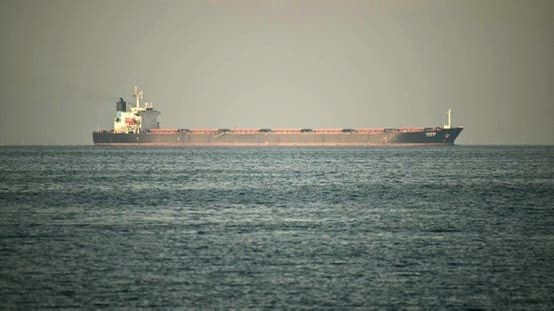
“Trump issues instructions: ‘Prepare for a long siege on Iran.’
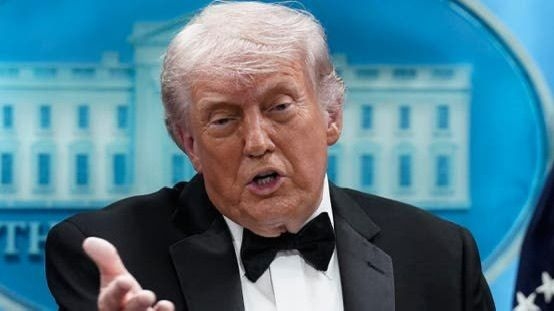
“U.S. official: Trump is not satisfied with the Iranian proposal.