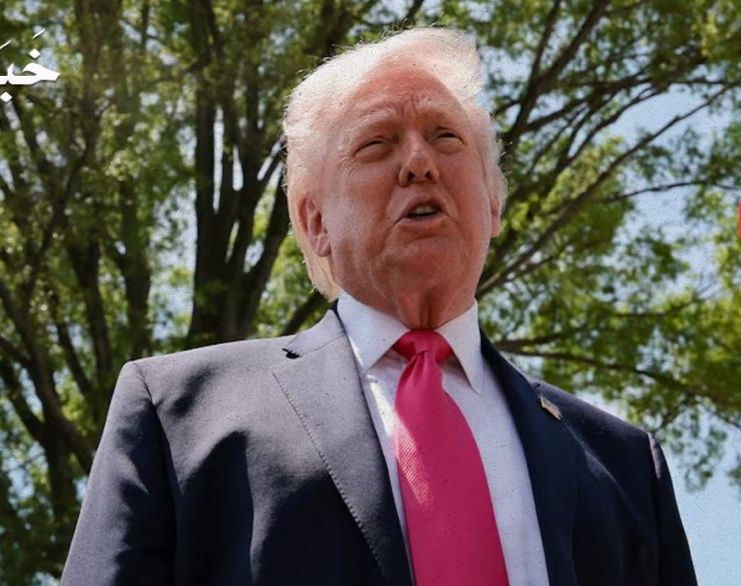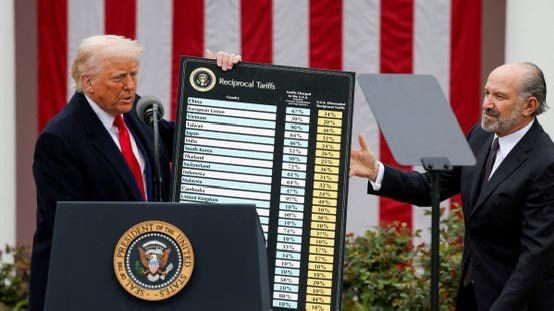
A new 10% tariff on imported goods in the United States has come into effect as part of President Donald Trump’s efforts to reshape the country’s trade policy after the Supreme Court struck down a large portion of previously imposed global tariffs. The new tariff aims to replace existing duties and older trade agreements, but it does not include the higher sector‑specific tariffs on certain industries such as automobiles and lumber.
The executive order issued on Friday is intended to replace the current patchwork of tariffs, as well as those outlined in various trade agreements signed with most of the United States’ major trading partners.
However, these new tariffs do not replace the so‑called sectoral tariffs—ranging from 10% to 50%—on several industries, including copper, automobiles, and lumber, which were not affected by the Supreme Court’s decision.
On Monday, President Donald Trump warned that he would impose “much higher” tariffs on countries that attempt to “play games” to exploit the recent Supreme Court ruling that overturned a significant portion of the tariffs he had imposed.
Trump wrote on his social network, Truth Social:
“Any country that plays games following the ridiculous Supreme Court decision—especially those that have taken advantage of the United States for years, or even decades—will face much higher tariffs, worse than any tariffs recently approved.”
“Trump issues instructions: ‘Prepare for a long siege on Iran.’
“U.S. official: Trump is not satisfied with the Iranian proposal.