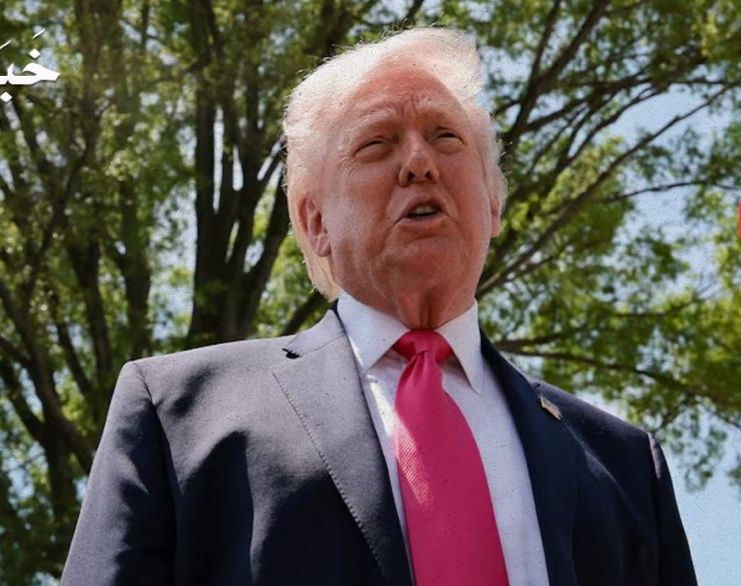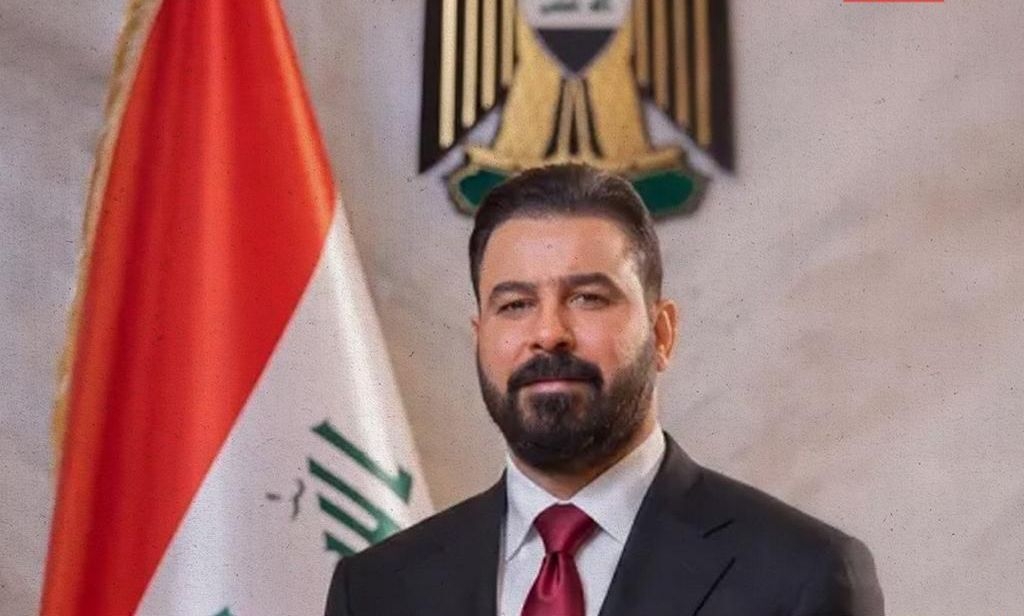
The U.S. Mission in Iraq announced on Wednesday its support for Prime Minister‑designate Ali Al‑Zaidi, affirming its backing for his efforts to form a new government that meets the aspirations of Iraqis and moves the country toward greater stability and prosperity.
In a statement, the mission said it ‘supports efforts aimed at forming a capable and effective government that works to strengthen security and consolidate stability,’ stressing the importance of the partnership with Iraq in addressing shared challenges, foremost among them combating terrorism and safeguarding the country’s sovereignty.
The mission reiterated its solidarity with the Iraqi people, noting that the coming phase requires practical steps to achieve economic reforms, improve services, create job opportunities, and support foreign investment in ways that help revive the national economy.
This international support comes as the Coordination Framework announced on Monday, April 27, its nomination of Ali Al‑Zaidi for the premiership, following the withdrawal of outgoing Prime Minister Mohammed Shia’ Al‑Sudani and former Prime Minister Nouri Al‑Maliki from the race—ending nearly five months of political deadlock after the legislative elections held at the end of 2025.
According to political sources, Al‑Zaidi has already begun intensive consultations with political blocs to form his cabinet, amid internal and external pressure to expedite the selection of a balanced government representing Iraq’s various components.
Expectations indicate that the coming phase may witness new agreements on the distribution of ministerial portfolios, particularly the sovereign and service ministries, which have been at the center of disputes among political forces.
Observers believe that U.S. support may give additional momentum to the government‑formation process, while also placing Al‑Zaidi before major challenges, including balancing foreign relations, containing internal disagreements, and addressing service and economic issues that remain a pressing priority for the Iraqi public.”
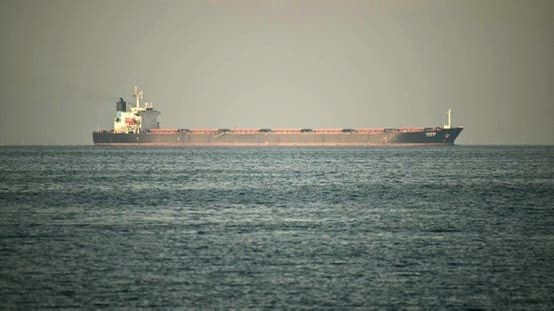
“Trump issues instructions: ‘Prepare for a long siege on Iran.’
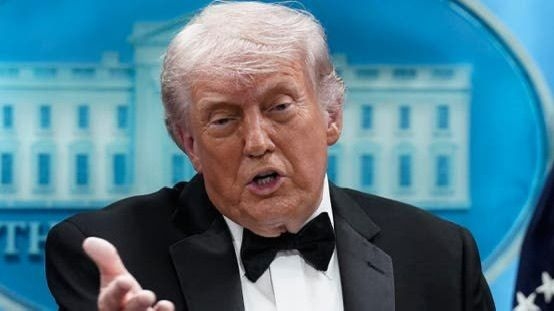
“U.S. official: Trump is not satisfied with the Iranian proposal.