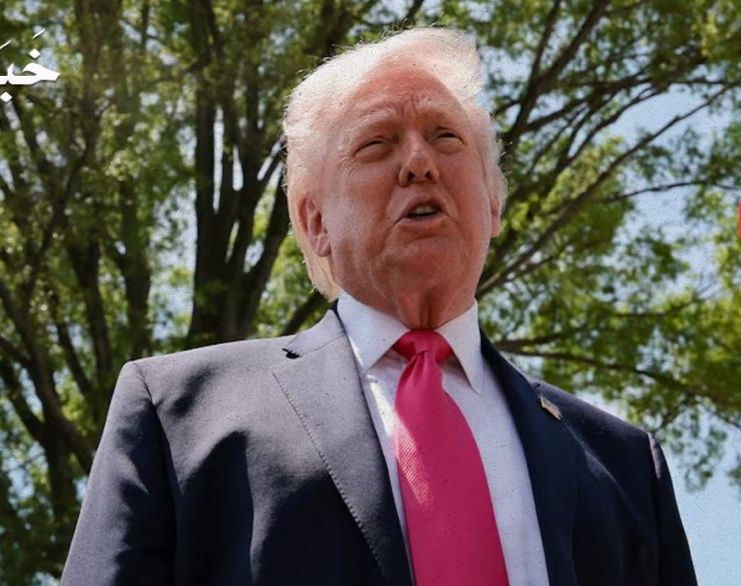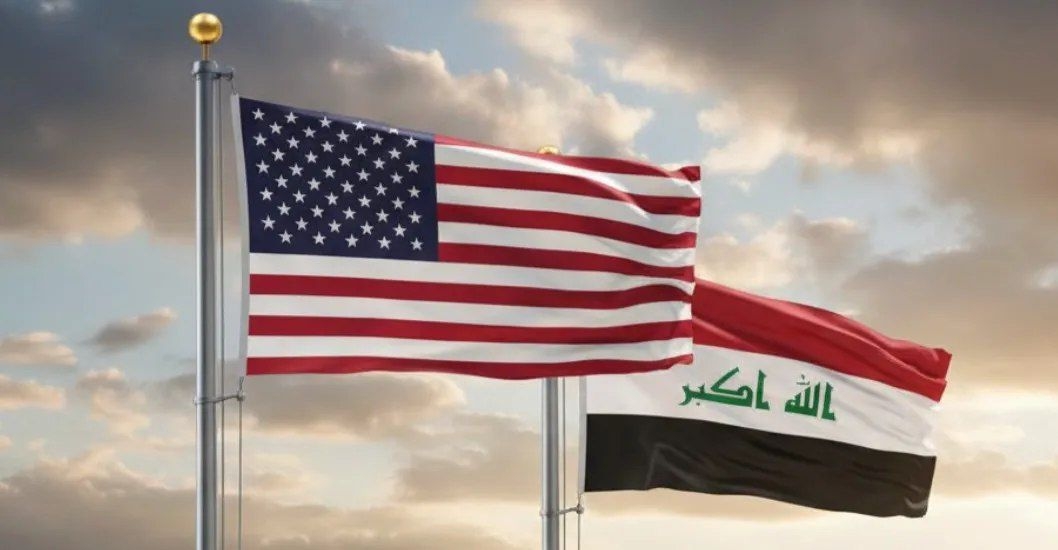
On Monday, U.S. President Donald Trump’s special envoy to Iraq, Mark Savaya, described the recent steps announced by Iraqi armed groups toward disarmament as a “welcomed and encouraging” development. He noted that these moves represent a positive response to the longstanding appeals and aspirations of the revered religious authorities.
In a statement posted on his account on X, Savaya expressed deep appreciation for what he called the wisdom, moral leadership, and principled guidance of the religious establishment, affirming that it continues to serve as a compass for the nation.
At the same time, the U.S. envoy stressed that declarations of intent alone are not sufficient. He emphasized that disarmament must be comprehensive, irreversible, and implemented within a clear and binding national framework. This framework, he said, should include the full dismantling of all armed factions and ensure an orderly and legal transition of their members into civilian life.
Savaya explained that the Iraqi constitution and the rule of law do not permit any political party, organization, or individual to possess or operate armed formations outside the authority of the state. He underscored that this principle must apply uniformly across all of Iraq without exception.
He further asserted that the exclusive right to bear arms and use force must rest with legitimate federal and regional institutions authorized to organize, lead, and manage the armed forces—ensuring the protection of the Iraqi people and the defense of national sovereignty.
Savaya concluded by stating that Iraq stands at a critical crossroads: either to move forward toward sovereignty, stability, prosperity, unity, and the rule of law—or remain trapped in a cycle of fragmentation and insecurity, where unlawful armed groups exploit national resources for personal gain and foreign agendas, thereby undermining state authority.
Earlier, an Iraqi government source told Shafaq News Agency that Mark Savaya is expected to visit Baghdad soon, leading a U.S. delegation to discuss the future of U.S.-Iraq relations. The visit will cover political, security, and economic issues, as well as developments in the Middle East and mechanisms for crisis resolution.
According to the source, the visit will also address expanding political consensus and partnership, the timeline for U.S. troop withdrawal, security cooperation, arming Iraqi forces, and future strategic plans.
President Donald Trump appointed Mark Savaya as special envoy to Iraq in October. Savaya is the third U.S. envoy to Iraq since Paul Bremer in 2003 and Brett McGurk during the war against ISIS in 2014.
Savaya has stirred controversy with recent posts in which he explicitly called for ending the armed factions file and barring them from participating in government. He has also issued warnings to Iraq about a potential return to a “cycle of complexity.”
On Saturday, several armed factions announced their support for the call to place weapons under state control. Official statements were issued by the Secretary-General of Kata’ib al-Imam Ali, Shibl al-Zaydi, followed by similar positions from Qais al-Khazali of Asa’ib Ahl al-Haq, the Ansar Allah al-Awfiya faction, and the spokesperson for Kata’ib Sayyid al-Shuhada.
Iraq’s Supreme Judicial Council President, Faiq Zaidan, announced yesterday that the armed factions had responded positively to the call for disarmament under state authority.
However, Kata’ib Hezbollah issued a statement rejecting the disarmament of its forces, asserting that “sovereignty, securing Iraq, and preventing foreign interference in all its forms are prerequisites for any discussion about placing weapons under state control. We affirm that our position aligns with that of our religious authorities—once those conditions are met.”
“Trump issues instructions: ‘Prepare for a long siege on Iran.’
“U.S. official: Trump is not satisfied with the Iranian proposal.