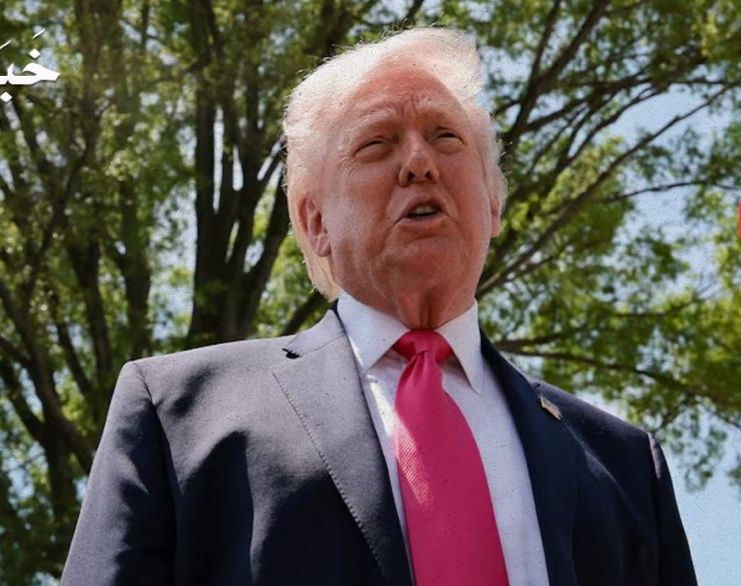
On Thursday, the U.S. House of Representatives approved the repeal of the "Caesar Act," which had imposed sanctions on Syria, as part of the vote on the National Defense Authorization Act (NDAA). The bill passed with 312 votes in favor and 112 against (Wednesday U.S. time).
The legislation stipulates that lifting the Caesar Act sanctions on Syria is contingent upon specific conditions. Chief among them is a requirement for President Donald Trump to submit an initial report to congressional committees within 90 days, followed by subsequent reports every 180 days for a period of four years.
According to the statement, Syria must demonstrate tangible progress in several areas, including:
- Combating terrorist organizations,
- Respecting the rights of religious and ethnic minorities,
- Refraining from unilateral military actions against neighboring countries, including Israel,
- Fighting drug production, money laundering, and terrorism financing,
- Prosecuting crimes against humanity committed under the previous regime.
If these conditions are not met in two consecutive reporting periods, targeted sanctions may be reimposed on specific entities.
The Senate is expected to vote on the bill next week before it is sent to President Trump for signing into law. Republicans currently hold the majority in both chambers and lead the committees that drafted the legislation.
The U.S. Congress originally passed the Caesar Act on December 11, 2019, to sanction key figures in the former Syrian President Bashar al-Assad’s regime for war crimes against civilians. The repeal is expected to pave the way for renewed foreign investment and aid to support Syria’s new administration.



“Trump issues instructions: ‘Prepare for a long siege on Iran.’

“U.S. official: Trump is not satisfied with the Iranian proposal.